Here’s a question worth sitting with: how many views did your last video get, and how many leads did it produce? For most Tri-Cities businesses, those two numbers don’t tell the same story. Views feel good. Leads pay the bills.
The shift happening right now in business video marketing is significant—and it’s not optional. Businesses that once celebrated 10,000 views are waking up to the reality that impressions without conversion are just expensive content. According to industry data, over 85% of marketers report that video directly increases sales—but only when executed with an intent to convert. The new standard for business video marketing isn’t reach; it’s performance. Every commercial video your company creates should be accountable to a measurable outcome, not just engagement metrics that look impressive in reports but deliver nothing to your bottom line.
In a market like the Tri-Cities, where competition is growing but digital ad costs remain more accessible than major metros like Seattle or Portland, the window to build a lead-generating video system is wide open. The question isn’t whether video marketing works—it’s whether you’re executing it strategically enough to drive actual business outcomes.
This guide breaks down exactly how to do that.
Table of Contents
- The Role of Video in the Modern Lead Generation Funnel
- Types of Lead-Generating Videos Tri-Cities Businesses Should Create
- Where to Distribute Video for Maximum Lead Generation
- Structuring Videos for Conversion
- How Long Should Lead-Generating Videos Be?
- Budgeting for Video Marketing
- Metrics That Actually Matter
- Common Mistakes Tri-Cities Businesses Make
- Building a Consistent Video System
- Local Advantage: Why Tri-Cities Businesses Have an Edge
- How Spotted Fox Digital Marketing Approaches Video
The Role of Video in the Modern Lead Generation Funnel

Effective video marketing isn’t a single tactic. It’s a funnel-based system where different types of content serve different roles at different stages of the buyer journey. The mistake most businesses make is creating one type of video and expecting it to work everywhere. That’s like using the same sales pitch for someone who’s never heard of you and someone ready to buy—it doesn’t work.
Top of Funnel: Awareness
At the awareness stage, your prospects don’t know you yet. They’re identifying problems, researching solutions, and beginning their buying journey. Brand introduction videos, community-oriented content, and educational explainers do the heavy lifting here. The goal isn’t conversion yet—the goal is reach, relevance, and recall.
- Brand Introduction Videos position your business in the Tri-Cities marketplace. These aren’t corporate overviews filled with mission statements—they’re compelling introductions that demonstrate who you serve and the specific problems you solve.
- Community Positioning Content connects your business to local identity. In the Tri-Cities, community matters. Videos showcasing your involvement in local events, partnerships with other Tri-Cities businesses, or your understanding of regional challenges build trust before you ever ask for a sale.
- Educational Explainer Videos establish authority without asking for anything. When you teach your audience something valuable—whether it’s how to identify a problem, understand an industry concept, or evaluate solutions—you position your business as the trusted guide.
Middle of Funnel: Consideration
This is where leads get warm. Prospects at this stage know the problem and are evaluating potential solutions. They’re asking: “Why should I choose you?”
- FAQ Videos address the questions holding prospects back. Pricing concerns, process confusion, timeline expectations—these videos remove barriers to moving forward. Rather than forcing prospects to dig through your website or schedule calls just to get basic information, you provide transparent answers that build confidence.
- Case Studies and Testimonials offer social proof when skepticism is highest. Real clients sharing specific results they achieved working with you validate your claims more effectively than any sales copy ever could. For service-based businesses in the Tri-Cities, this local social proof carries exceptional weight.
- Objection-Handling Videos directly address common hesitations. If prospects consistently express concerns about budget, timeline, or process, creating dedicated videos that acknowledge and resolve these objections moves them closer to conversion.
Bottom of Funnel: Conversion
At the decision stage, prospects need that final push to take action. Direct offer videos, consultation call content, and urgency-based campaign videos close the gap between interest and action.
- Direct Offer Videos present specific solutions for immediate problems. These aren’t generic service overviews—they’re targeted videos presenting clear offers with specific outcomes and next steps.
- Consultation Call Videos reduce friction in scheduling. A brief video explaining what happens during a consultation, who they’ll talk to, and what to expect removes the anxiety that stops prospects from booking.
- Urgency-Based Campaign Videos leverage limited-time promotions or seasonal opportunities. When executed strategically (not desperately), these videos create legitimate urgency that drives immediate action.
Understanding this funnel structure is what separates businesses that generate leads with video from those that just produce content and hope something sticks.
Types of Lead-Generating Videos Tri-Cities Businesses Should Create
Not all video content performs equally when it comes to lead generation strategies. Here are the formats that consistently deliver measurable results for service-based businesses:
Customer Testimonial Videos
Real clients sharing specific, measurable results carry more credibility than any copy your team can write. Structure these around outcomes rather than vague praise. The framework: What problem did they have? Why did they choose you? What specific results did they achieve? How has their business or life improved?
Real clients sharing measurable outcomes—”We increased revenue by 40% in six months” or “We cut our customer acquisition cost in half”—provide powerful social proof that generic stock footage and scripted actors can’t match. Specificity converts.
FAQ and Objection-Handling Videos
Price concerns, timeline questions, process confusion—every buyer has them. Addressing these directly on video builds trust and removes friction before a prospect ever reaches your sales conversation.
If prospects consistently ask, “How much does this cost?” create a video that explains your pricing structure, what influences cost, and the ROI they can expect. Transparency at this stage builds trust and pre-qualifies leads. Unknown processes create anxiety. Walk prospects through exactly what working with you looks like, timeline expectations, and what involvement is required from them.
Behind-the-Scenes Content
Transparency builds relationships. Showing how your team works, what your process looks like, and the care that goes into your service creates emotional connection that polished promo videos often can’t achieve. For service-based businesses, behind-the-scenes content humanizes your brand and creates connection before prospects ever contact you.
Service Explainer Videos
Short-form educational clips that walk viewers through what you do and how it works are essential for businesses with services that require explanation. Rather than selling your services directly, teach something valuable related to what you do. These videos attract prospects researching solutions and position your business as the authority worth contacting. If your buyers tend to ask the same questions repeatedly, an explainer video is the answer.
Authority and Thought Leadership Videos
Industry insight content positions your business as the go-to expert in the Tri-Cities market. Share commentary on trends, predictions about the local market, or analysis of changes affecting your industry. When potential clients see your leadership sharing genuine knowledge, trust follows.
Before and After Demonstrations
Visual proof works exceptionally well for home service businesses, landscaping companies, contractors, and any industry where transformation is visible. Show the problem, show your solution, and show the measurable result. Visual transformation tells the whole story in seconds.
Offer-Based Campaign Videos
Limited-time promotions paired with targeted video ads create urgency. These are bottom-funnel assets that work best when your awareness and consideration content has already done its job. The key is legitimate scarcity—actual limited spots, genuine seasonal opportunities, or real deadlines—not manufactured urgency that damages credibility.
Community-Focused Videos
Tri-Cities audiences respond strongly to local connection. Videos featuring local events, partnerships with other Tri-Cities businesses, or community involvement strengthen your positioning as a local-first company that understands regional needs.
Where to Distribute Video for Maximum Lead Generation
Production quality matters. Distribution strategy matters more. A well-crafted video sitting on a business YouTube channel with no promotion will generate fewer leads than a strategically placed 30-second ad with a precise targeting setup. Production quality doesn’t matter if your videos never reach qualified prospects.
Here are the platforms that drive results for business video marketing in the Tri-Cities:
- Meta Ads (Facebook and Instagram): Targeted prospecting campaigns reach cold audiences based on demographics, interests, and behaviors. For Tri-Cities businesses, geographic targeting combined with detailed audience parameters ensures your video reaches qualified local prospects. Retargeting video viewers is where real ROI happens. Someone who watches 75% of your video but doesn’t convert isn’t gone—they’re warm. Retargeting these engaged viewers with offer-specific content drives conversions at a fraction of cold prospecting costs.
- YouTube Pre-Roll Ads: Geographic targeting allows Tri-Cities businesses to reach local audiences when they’re already watching relevant content. Unlike skippable ads where you pay per view, pre-roll ads can be structured to reach prospects in your exact service area at a fraction of the cost you’d see in larger markets.
- Website Landing Pages: Embedded conversion videos on landing pages increase conversions dramatically. When someone arrives at a landing page, a well-placed video explaining your offer, addressing objections, and guiding them toward action outperforms text-only pages consistently. If your page is asking for a lead, a video should be there doing the persuading.
- Google Business Profile Posts: Posting videos directly to your Google Business Profile boosts local visibility. These videos appear in search results and on Google Maps, capturing prospects actively searching for solutions in the Tri-Cities area. Regular video posts boost engagement for businesses optimizing their local search presence.
- Email Marketing Campaigns: Video thumbnails in email sequences increase open rates and engagement. Embedding videos into nurture sequences keeps prospects engaged through the consideration process, warming them for conversion. Even a still image with a play button creates a stronger pull than standard copy.
- Website Retargeting Campaigns: Serving video ads to people who visited your website but didn’t convert brings warm traffic back. These visitors already expressed interest—strategic video retargeting reengages them with the right message at the right time as they continue their decision-making process.
The distribution strategy matters more than just production. A mediocre video with excellent distribution outperforms a perfect video that no one sees.
Structuring Videos for Conversion

The best-distributed video in the world won’t generate leads if the content itself isn’t built to convert. How you structure video content directly impacts conversion rates. Here’s the framework that works:
- Hook in First 3 Seconds: Open with a problem-based statement or a local reference that stops the scroll. You have three seconds before viewers move on. Start with the pain point your audience feels: “Spending thousands on marketing but not seeing leads?” Opening with “Tri-Cities businesses are facing…” or “If you own a business in Richland, Kennewick, or Pasco…” signals immediate relevance and stops viewers mid-scroll.
- Clear Problem Identification: Speak directly to audience pain points. Acknowledge what they’re experiencing in specific terms. Vague problems get ignored—specific, relatable problems create connection.
- Authority Positioning: Establish why your business is qualified to solve this problem. This isn’t bragging—it’s demonstrating expertise, experience, and results that validate why they should listen to you. Credentials, experience, and local reputation all matter here.
- Proof and Social Validation: Reviews, case studies, and specific results validate your claims. Numbers matter here: “We’ve helped 50+ Tri-Cities businesses generate over 2,000 qualified leads” carries more weight than “We help businesses grow.” Let your past work do the persuading.
- Clear Call to Action: “Schedule now,” “Request a quote,” “Book a consultation”—your CTA must be specific and immediate. One action. One message. No ambiguity. Vague CTAs like “Learn more” or “Contact us” create friction. Tell prospects exactly what to do next and make it effortless to do it.
How Long Should Lead-Generating Videos Be?
The right length depends on the platform, the goal, and where in the funnel the video lives.
- 15 to 30 seconds for paid ads targeting cold audiences. Paid social ads, retargeting campaigns, awareness content. You’re interrupting their experience—get to the point fast. Shorter is almost always stronger for paid placements.
- 60 to 90 seconds for service explanations, testimonials, objection-handling content. Enough time to identify the problem, position your solution, and present a clear CTA without losing attention. Long enough to build context, short enough to hold attention.
- 2 to 5 minutes for YouTube educational content, detailed case studies, website landing page videos. When prospects actively seek information, longer videos perform well. They’ve already committed attention—deliver substantial value. Viewers who make it this far are already engaged.
The common mistake is treating every platform the same. Match length to platform and goal. A 10-minute video works on YouTube but fails on Instagram. A 15-second clip drives awareness but won’t convert bottom-funnel prospects who need detailed information. What works on YouTube won’t perform the same way on Instagram Stories.
Budgeting for Video Marketing
Strategic video marketing requires investment in both production and distribution. One of the strongest advantages of strategic video marketing is asset leverage. A single well-planned production day can generate content for ads, social posts, email campaigns, website pages, and YouTube—all from the same shoot.
- Production Cost Considerations: Professional video production varies based on complexity, but quality matters for credibility. For Tri-Cities businesses, working with a local agency that understands the regional market delivers better results than generic national services or DIY approaches that compromise quality.
- Ad Spend Allocation: Even exceptional video content needs distribution budget. Plan for monthly ad spend that reaches and retargets qualified audiences. For most local businesses, starting at $1,000–$2,500 per month in ad spend allows meaningful reach and testing.
- Repurposing One Shoot into Multiple Assets: Strategic planning turns one production day into months of content. A single shoot can produce testimonials, service explainers, team introductions, and FAQ videos—drastically reducing per-video costs while maintaining consistency. Businesses that treat video as a one-and-done project rarely see strong returns. Those that build a monthly or quarterly production rhythm, batch their shoots, and repurpose assets strategically consistently lower their cost per lead over time.
- ROI Tracking Importance: Budget without tracking wastes money. Implement conversion tracking that connects video views to form submissions, calls, and sales. When you know which videos generate leads at what cost, you can scale what works and eliminate what doesn’t.
Metrics That Actually Matter
Stop celebrating views. Start measuring outcomes. Stop measuring the success of your video marketing by views and likes. The metrics that connect directly to lead generation strategies are:
- Cost per lead: Tells you exactly what each lead costs through video marketing. If you’re spending $2,000 monthly and generating 20 leads, your cost per lead is $100. Compare that to other channels to understand ROI.
- Conversion rate: Measures how many video viewers take action. Low conversion rates with high views signals messaging problems or poor CTA clarity. What percentage of video ad viewers take the desired action?
- Click-through rate (CTR): Shows how compelling your message is. High CTR means your hook and content resonate. Low CTR means you’re losing attention—time to revise messaging. Are your ads compelling enough to drive action?
- View-through conversions: Track people who saw your video but converted later. These conversions are often ignored but represent significant value, especially in longer sales cycles.
- Retargeting pool growth: Matters for ongoing campaigns. Building audiences of engaged video viewers creates warm pools for remarketing, reducing long-term acquisition costs. How many qualified viewers are being added to your retargeting audience each month?
These numbers tell you whether your video marketing system is working as a lead generation engine or simply as a content library. Views and likes don’t matter if they don’t generate business outcomes. Track metrics tied to revenue.
Common Mistakes Tri-Cities Businesses Make
Knowing what to avoid is just as valuable as knowing what to do. These are the patterns that consistently undercut video marketing performance:
- Posting Videos Without Strategy: Random video posts hoping for results waste resources. Every video should have a specific purpose, target audience, and distribution plan before filming starts. Posting videos without a distribution strategy or campaign structure behind them undermines even great content.
- Focusing on Aesthetics Over Messaging: Beautiful videos with weak messaging don’t convert. Clear, benefit-focused messaging in a decent-quality video outperforms stunning visuals with vague content. Prioritizing production aesthetics over messaging clarity and conversion focus is a costly mistake.
- No Clear CTA: Videos without specific next steps leave prospects hanging. Always tell viewers exactly what to do: schedule, call, download, request a quote. Leaving videos without a clear, specific call to action wastes the attention you’ve earned.
- Not Retargeting Viewers: Failing to retarget engaged video viewers leaves easy conversions on the table. Building retargeting audiences and serving follow-up content to warm prospects costs less and converts better than cold prospecting alone.
- Inconsistent Publishing: Sporadic video publishing kills momentum. Consistent content builds audience growth and keeps your business top-of-mind with prospects. Inconsistent publishing allows audiences to go cold between content cycles.
- Overly Scripted, Unnatural Delivery: Rigid, corporate delivery feels inauthentic. Conversational, genuine communication builds trust. Perfection isn’t the goal—connection is. Overly scripted or rehearsed delivery reads as unnatural on camera.
The good news is that every one of these is correctable with the right planning and systems in place before the camera ever turns on.
Building a Consistent Video System
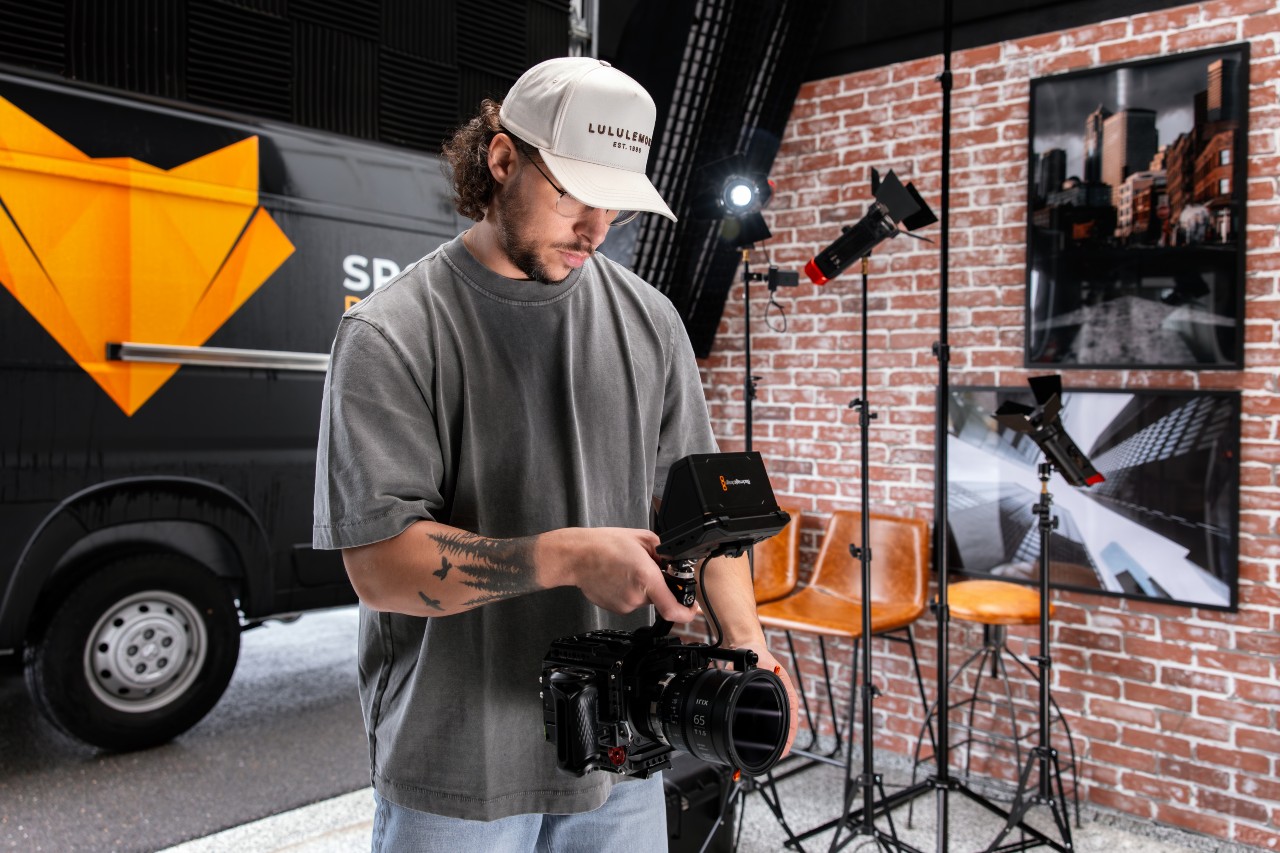
Random video production leads to random results. One-off videos don’t create sustainable results. Systems do. Businesses that consistently generate leads with video operate with a system, not just a schedule.
- Monthly Content Shoots: Schedule regular production days. Batch-filming multiple videos in one session reduces costs and ensures consistent content flow.
- Structured Creative Briefs: Before filming, document the goal, target audience, key message, and CTA for each video. A strong video system includes creative briefs that map each video to a specific funnel stage and platform. Clear briefs ensure focused content that drives specific outcomes.
- Funnel Mapping Before Filming: Map content to funnel stages before production. Know which videos serve awareness, consideration, or conversion before creating anything. This prevents content gaps and ensures comprehensive coverage. Mapping your funnel before you film ensures that every asset has a purpose, a platform, and a place in your lead generation strategy.
- Batch Production Approach: Filming multiple videos in one shoot maximizes efficiency. Shoot testimonials, service explainers, and team content in a single production day to reduce setup costs and maintain visual consistency.
- Using Video Across Multiple Platforms: Repurpose strategically. A long-form YouTube video becomes shorter social clips, email thumbnails, and website landing page content—multiplying value from single productions.
When video marketing is treated as a system rather than an occasional activity, the compounding effect builds real momentum over time.
Local Advantage: Why Tri-Cities Businesses Have an Edge
Tri-Cities businesses sit in an enviable position. You hold unique advantages in video marketing that larger metros don’t have.
- Community-Based Storytelling: Tri-Cities audiences respond well to local storytelling. The community-based culture here means that seeing a familiar face, a recognizable location, or a shared local experience in a video carries more weight than a polished national brand ad. Tight-knit communities respond strongly to local connection. Videos showcasing regional involvement, local partnerships, and community investment resonate powerfully.
- Strong Referral Culture: Beyond the cultural advantage, Tri-Cities audiences trust local recommendations. Video testimonials from recognizable community members or neighboring businesses carry exceptional weight.
- Local Targeting Precision with Paid Ads: Geographic targeting allows hyper-specific audience reach. You’re not competing with Seattle or Portland budgets—you’re reaching precisely the Tri-Cities audience who can actually become customers.
- Lower Ad Competition Compared to Major Metros: The Tri-Cities paid advertising landscape is still less saturated than Seattle, Portland, or Spokane. That means lower cost per click, lower cost per lead, and more room to build an audience before competition drives prices up. Ad costs in smaller markets remain significantly lower than major metros. The same budget that reaches 1,000 prospects in Seattle reaches 5,000+ in the Tri-Cities, stretching ROI further.
Community-based content, strong referral networks, and local targeting precision in paid ads combine to give Tri-Cities businesses a real opportunity to build video marketing systems that outperform what larger markets can achieve at the same budget.
How Spotted Fox Digital Marketing Approaches Video

At Spotted Fox Digital Marketing, every video marketing engagement starts with strategy, not a camera. We don’t create videos for the sake of content. We build video marketing systems that generate measurable business outcomes.
- Strategy-First Planning: Our team begins with funnel mapping, identifying what videos are needed, where they’ll live, and what outcome each one is accountable to. Before any filming begins, we map your funnel, identify content gaps, and determine exactly which videos will move prospects from awareness to conversion. Strategy dictates production—never the reverse.
- Creative Briefs Aligned with Lead Goals: Creative briefs are built around lead goals, not aesthetic preferences. Every video we produce connects to specific business objectives. We document target audiences, key messages, distribution channels, and conversion goals before filming starts.
- Funnel Integration with Paid Ads: Video production is integrated with paid ad campaigns so that content and distribution work together from day one. We don’t just create videos—we build complete systems integrating organic content with paid distribution. Videos are produced with advertising strategy in mind, ensuring content performs across platforms.
- Tracking Performance and Optimizing: Performance tracking is built into every campaign so that optimization is ongoing, not occasional. We implement conversion tracking that connects video views to form submissions, calls, and sales. When we know what drives results, we scale winners and eliminate waste.
- Combining Video with SEO and Paid Media: We also connect video with the broader growth system, including SEO and paid media, so that each asset compounds in value rather than performing in isolation. Video marketing doesn’t exist in isolation. We integrate video content with overarching strategies for comprehensive digital marketing that compounds results across channels.
The result is video marketing that functions as a real business video marketing engine, not just a content calendar.
Start Building Your Video Lead Generation System
Video marketing is not a branding exercise. It’s a lead generation tool, and when built on a strategic foundation, it delivers measurable, trackable, scalable results for Tri-Cities businesses willing to approach it that way.
The businesses winning with video right now aren’t necessarily the ones with the biggest budgets or the most polished production. They’re the ones with a system. A clear funnel. A distribution plan. A commitment to measuring what matters. Tri-Cities businesses that treat it strategically—mapping content to funnel stages, distributing intelligently, tracking real metrics, and optimizing continuously—generate consistent, measurable results.
If your current video efforts are generating content but not consistently generating leads, the strategy, not the camera, is the place to start. Random posting hoping for viral moments wastes time and money. Strategic systems focused on conversion create predictable lead flow that scales with investment.
The question isn’t whether video marketing works. The question is whether you’re executing it strategically enough to drive actual business outcomes.
Ready to turn your video marketing into a consistent lead-generation system? Contact Spotted Fox Digital Marketing to build a video strategy that drives measurable results for your Tri-Cities business.